
Eastmallbuy Finds
Spreadsheet
OVER 5000+
WITH QC PHOTOS
Click the images below to browse!


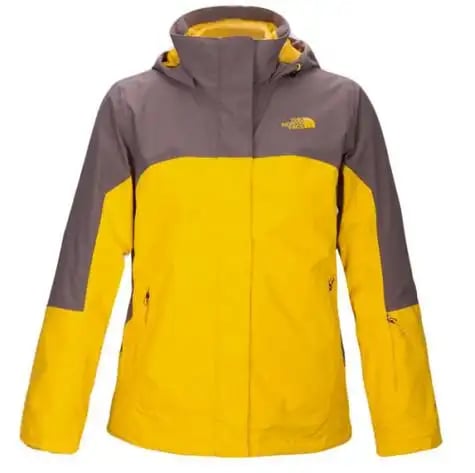

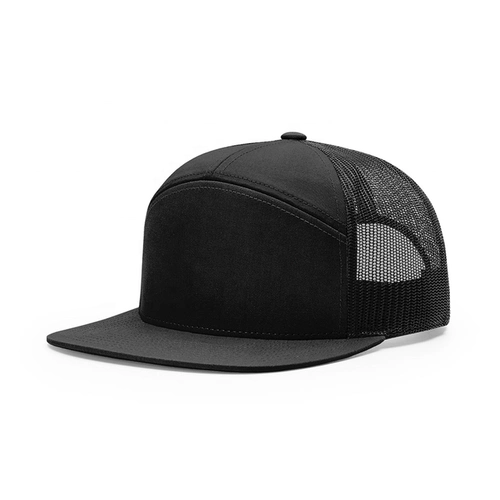
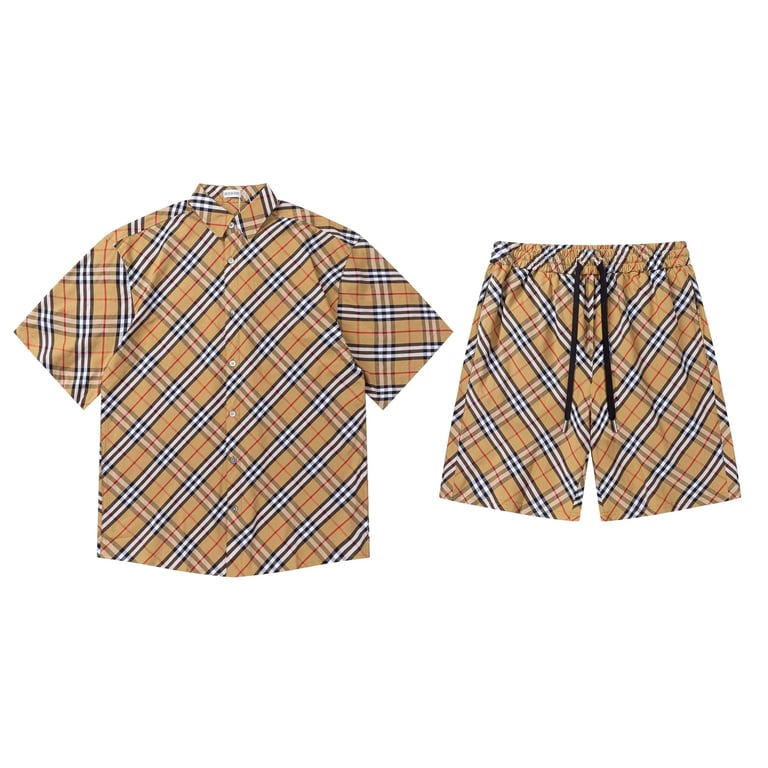
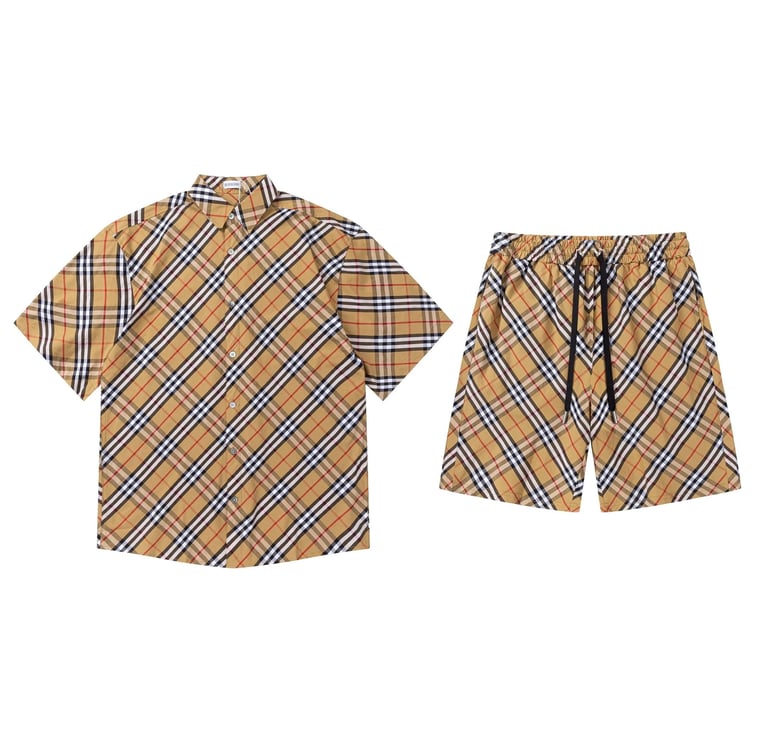
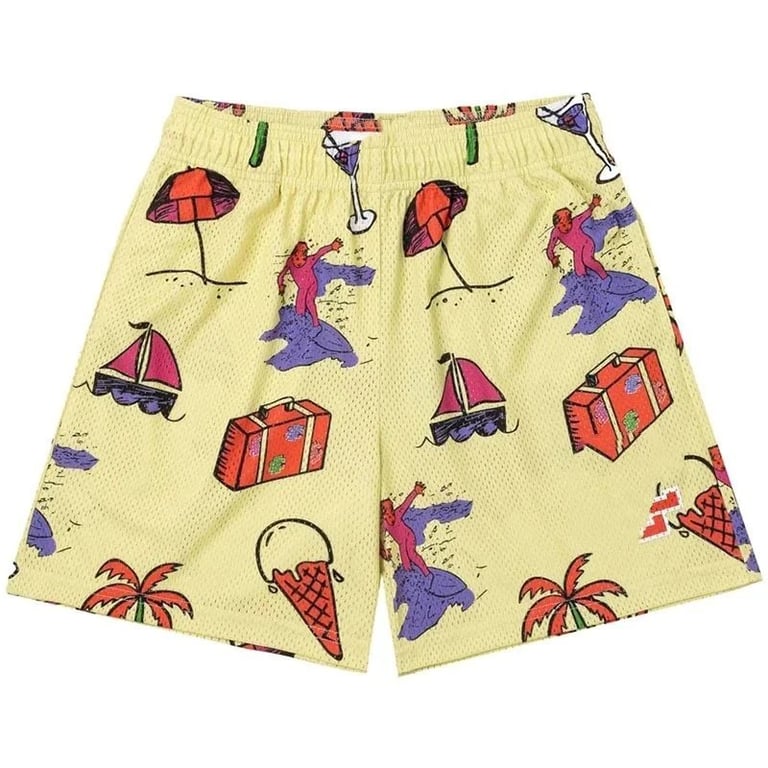
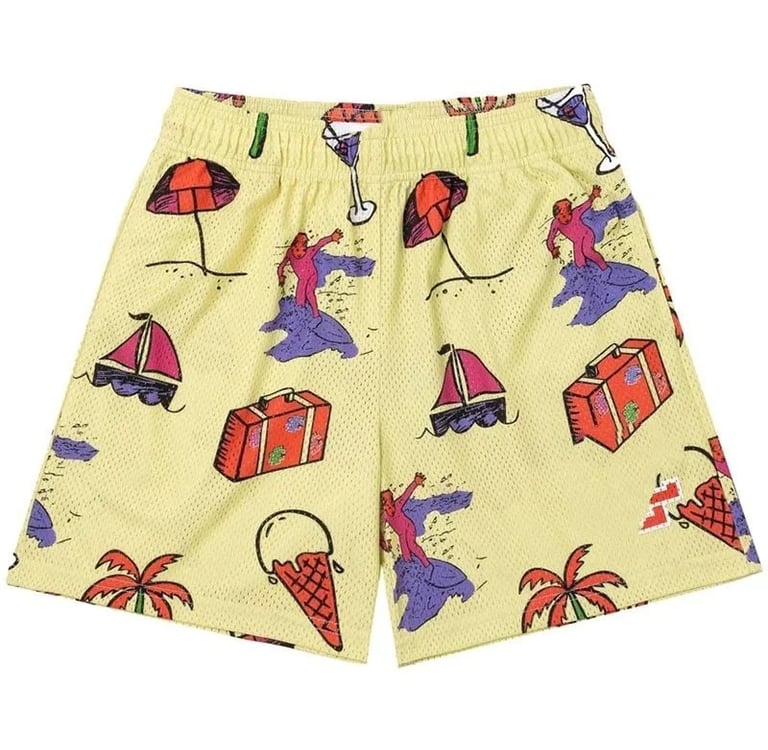
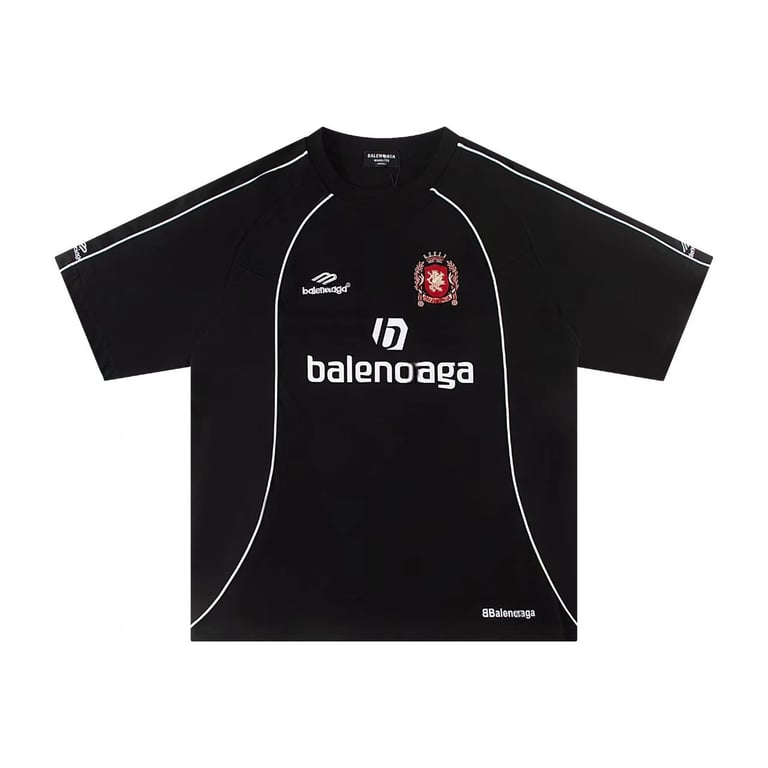
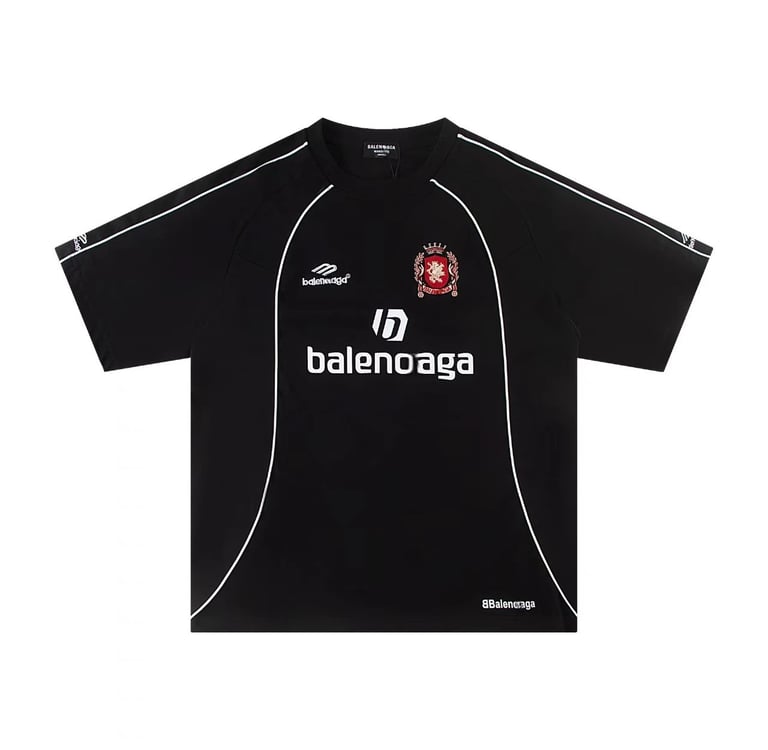


🌐 Eastmallbuy spreadsheet as structured navigation layer for cross-border ecommerce browsing|information hierarchy + product indexing + catalog logic
🧭 Introduction
Cross-border ecommerce platforms are typically built around large, unstructured product databases where listings are added continuously without consistent hierarchy or navigation design. As a result, users often struggle to locate relevant products efficiently, especially when browsing across suppliers such as 1688 and micro-store ecosystems.
The Eastmallbuy spreadsheet introduces a structured navigation layer that organizes fragmented ecommerce data into a clear information hierarchy. It functions as a bridge between raw supplier listings and user-facing browsing logic, while Eastmallbuy links provide direct entry points into indexed product clusters.
This system is designed to transform unstructured product availability into navigable information architecture.
🧭 What is a cross-border “information navigation layer”
An information navigation layer refers to an intermediate structure that organizes raw ecommerce data into hierarchical paths that users can follow intuitively.
In cross-border environments, products are not naturally structured for exploration. Instead, they exist as independent listings scattered across suppliers. The navigation layer solves this by:
Grouping related products into unified clusters
Establishing consistent browsing hierarchies
Reducing dependency on keyword-based search
Supporting structured exploration instead of random discovery
The Eastmallbuy spreadsheet serves as this intermediary layer, converting raw supply-side data into user-readable navigation structures.
🔗 Standardizing 1688 and micro-store data
One of the key challenges in cross-border ecommerce is that different supply sources use inconsistent formats, naming conventions, and product metadata structures.
The Eastmallbuy spreadsheet addresses this by:
Normalizing product titles and attributes
Aligning equivalent items across different suppliers
Converting fragmented listings into unified data entries
Removing structural inconsistencies between platforms
This standardization enables users to browse across 1688 and micro-stores as if they were part of a single coherent system rather than separate marketplaces.
🧩 Product indexing and hierarchical structure
Product indexing refers to the process of assigning structured identifiers to products so they can be organized within a navigable system.
Within the Eastmallbuy spreadsheet, indexing is used to:
Group similar products under shared categories
Create layered relationships between product types
Enable cross-comparison across suppliers
Support structured retrieval instead of linear browsing
This hierarchical indexing system allows users to move from broad categories to specific product selections without losing context.
📂 Catalog logic and browsing efficiency
Catalog logic defines how products are arranged and presented to users within a structured browsing environment.
In traditional ecommerce systems, catalogs are often supplier-driven rather than user-driven, which leads to inefficient navigation paths.
The Eastmallbuy spreadsheet improves catalog logic by:
Organizing products based on usage similarity rather than listing order
Creating consistent category boundaries across suppliers
Reducing redundant product exposure
Supporting predictable browsing pathways
This makes product discovery more systematic and reduces unnecessary exploration loops.
🔍 Reducing search cost through structured navigation
In unstructured ecommerce environments, users rely heavily on repeated searching and filtering, which increases cognitive and time cost.
The Eastmallbuy spreadsheet reduces this burden by:
Replacing repeated keyword searches with structured browsing paths
Providing pre-organized product clusters
Maintaining navigation continuity across categories
Minimizing backtracking during exploration
Instead of searching repeatedly for better options, users can move through predefined logical pathways that already contain comparable alternatives.
🧠 Information architecture and classification theory
From an information architecture perspective, effective ecommerce systems require structured relationships between data points rather than isolated listings. Classification theory further emphasizes that users understand systems more efficiently when information is grouped by function and context rather than by source.
The Eastmallbuy spreadsheet applies these principles by transforming fragmented supplier data into structured navigation systems that reflect how users naturally interpret product relationships.
This improves both cognitive efficiency and decision accuracy in cross-border shopping environments.
🧾 Conclusion
Cross-border ecommerce environments are fundamentally limited not by product availability, but by the absence of structured pathways that allow users to move through information in a meaningful way. Without hierarchy or indexing, even relevant products become difficult to locate and compare effectively.
The Eastmallbuy spreadsheet operates as a structural navigation layer that sits between raw supplier data and user decision-making. Rather than presenting products as isolated listings, it organizes them into interconnected pathways that reflect functional similarity and browsing logic. This changes the user experience from searching within a chaotic dataset to navigating within a defined information system where relationships between products are already established.
In this sense, navigation is not just about finding products, but about shaping how product relationships are perceived during exploration.


🌐 Eastmallbuy spreadsheet simplifying fragmented product discovery across international markets|navigation optimization + browsing efficiency + user flow
🧭 Introduction
International cross-border ecommerce environments are characterized by highly fragmented product distribution, where items are scattered across multiple suppliers with inconsistent structure, metadata, and categorization logic. As a result, users often struggle to build a coherent browsing path when attempting to search, compare, and evaluate products across platforms.
The Eastmallbuy spreadsheet is designed to address this fragmentation by creating a unified navigation structure that consolidates distributed product data into an organized browsing system. It reduces reliance on scattered search behavior and replaces it with structured entry points. In addition, Eastmallbuy links provide direct access to grouped product clusters, improving navigation continuity across different sources.
This system focuses on turning fragmented discovery into a continuous browsing flow.
❗ Problem: fragmented cross-border product sources
One of the core issues in international ecommerce is that product information is distributed across multiple independent systems. Users often face:
Listings spread across different suppliers and platforms
Inconsistent product naming and categorization
Repeated exposure to similar products in different formats
Lack of unified structure for comparison
This fragmentation forces users to repeatedly restart their search process instead of progressing through a stable discovery path.
❗ Problem: inability to build a unified search path
Beyond fragmentation, users also lack a consistent search logic that connects different browsing stages. Typical behavior includes:
Switching between unrelated keywords and filters
Losing context when moving between platforms
Repeating searches for similar products
Failing to maintain a continuous evaluation path
As a result, browsing becomes cyclical rather than progressive, increasing both time cost and cognitive load.
⚙️ Solution: spreadsheet-based unified entry structure
The Eastmallbuy spreadsheet solves this by introducing a unified entry structure that aggregates product data into a single navigable framework.
This includes:
Consolidated product indexing across suppliers
Structured grouping of similar items
Standardized comparison-ready formats
Centralized browsing entry points
Instead of interacting with multiple fragmented sources, users operate within a single structured environment that represents multiple marketplaces simultaneously.
📉 Optimization: reducing repeated search and improving efficiency
A key advantage of the system is the elimination of redundant search behavior.
The Eastmallbuy spreadsheet improves efficiency by:
Reducing repeated keyword searches
Minimizing cross-platform switching
Pre-grouping comparable products
Allowing direct access to structured clusters
This reduces unnecessary browsing loops and shortens the time required to identify relevant products.
🔄 User flow optimization: from search to decision
Traditional ecommerce flow is often unstable, with users repeatedly moving between search and comparison stages without reaching a final decision efficiently.
The optimized flow enabled by the Eastmallbuy spreadsheet follows a clearer structure:
Search input is replaced by structured entry points
Browsing occurs within grouped product sets
Comparison is performed within a stable context
Decision-making is completed without restarting the search process
This creates a more linear and predictable progression from discovery to final selection.
In addition, Eastmallbuy links help preserve flow continuity by connecting users directly to relevant structured entry points.
🧠 User experience model and behavioral path analysis
From a behavioral perspective, fragmented navigation increases cognitive switching costs, leading to slower decision cycles and higher abandonment rates. Users perform better when information is organized into stable, repeatable pathways.
Key behavioral observations include:
Preference for structured browsing over free-form search
Reduced tolerance for repeated context switching
Higher efficiency when comparison sets are pre-organized
Stronger decision confidence in stable navigation environments
The Eastmallbuy spreadsheet aligns with these patterns by reducing navigation complexity and creating structured behavioral pathways that support consistent decision progression.
🧾 Conclusion
In fragmented cross-border ecommerce environments, the main obstacle is not access to products, but the absence of continuity in how users move between search, comparison, and evaluation stages. When each step is disconnected from the next, users are forced to repeatedly rebuild their browsing context, which slows down decision-making and increases uncertainty.
The Eastmallbuy spreadsheet addresses this by acting as a structural connector between scattered product sources, allowing browsing behavior to remain continuous even when underlying data is distributed. Instead of treating discovery as a sequence of isolated searches, it organizes it into a connected navigation system where each interaction naturally leads into the next stage of evaluation.
This shifts ecommerce navigation from a reactive search process into a guided progression, where movement through information becomes stable, predictable, and easier to complete.